Fix Garbled Text in AI Images
Love the AI image but the text came out garbled? Box it, type the right words — the picture stays
Example
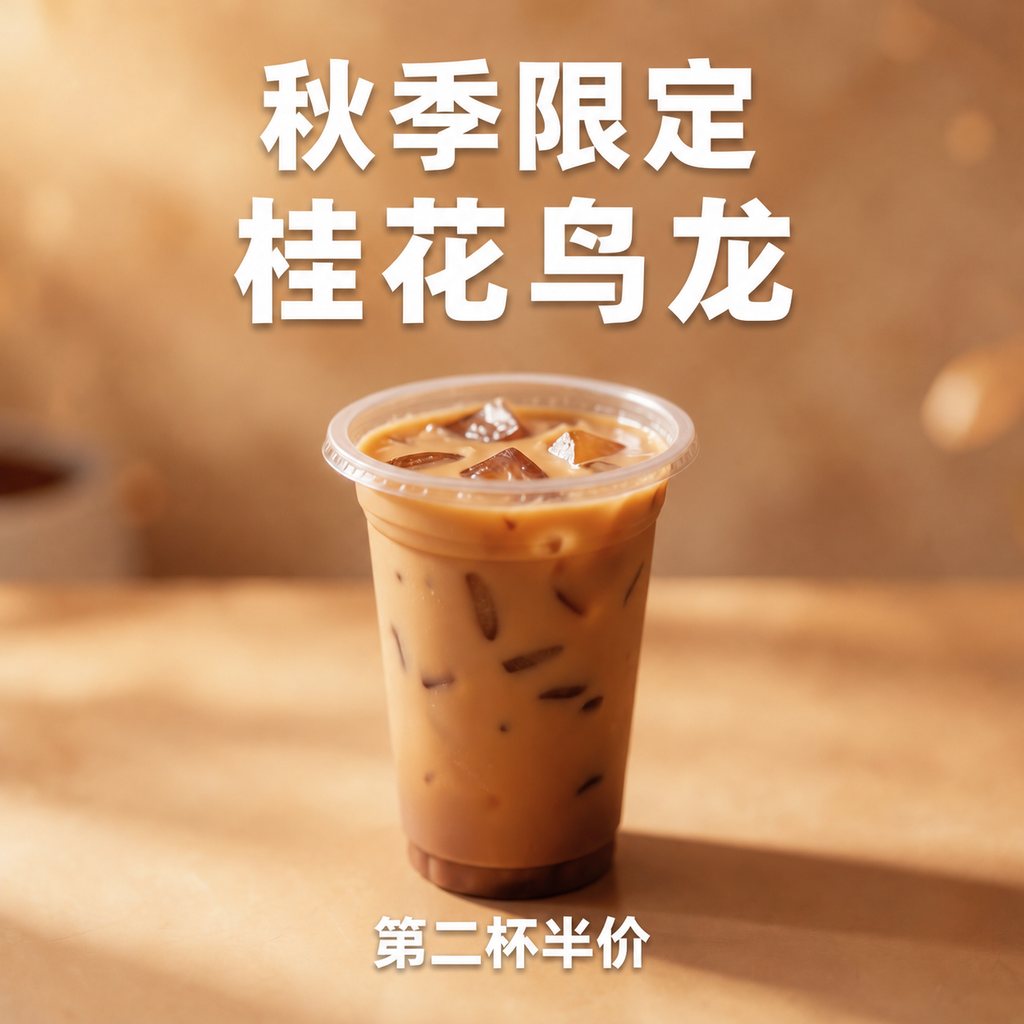
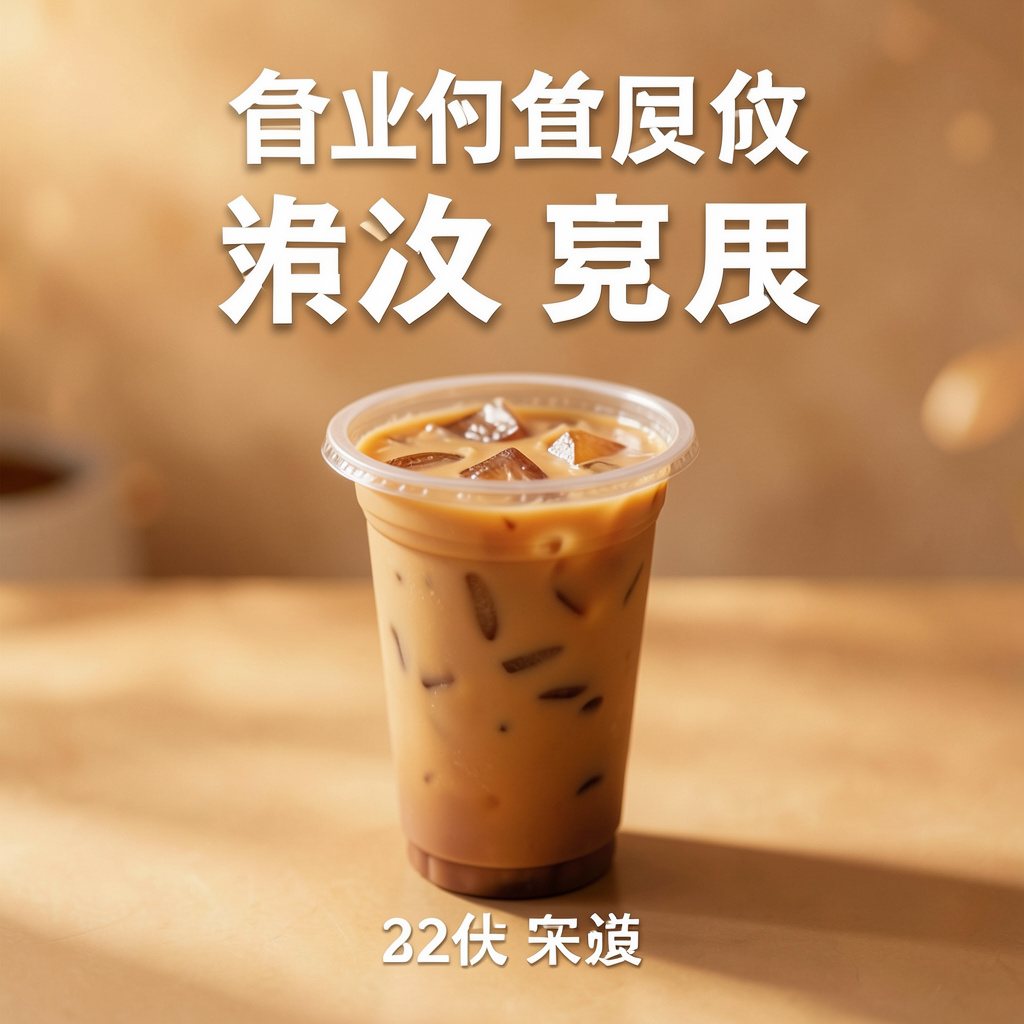
Chinese gibberish: whole headline fixed
This tea poster came out of Flux with a nice picture but a headline made of characters that do not exist. Two boxes — the headline and the footer — each with the correct words, one generation; the cup, lighting and background stay as they were.
- Source
- Generated with Flux
- Boxes
- 2 (headline + footer)
- Attempts
- 1


English misspellings: three fixes in one pass
"End Sesn Cliearure", "knitweear", "Harbar Lane Bottuiue" — the AI misspelled the headline and the shop name. Three boxes, three instructions, all corrected in one generation.
- Source
- Generated with Flux
- Boxes
- 3
- Attempts
- 1
The usual AI text problems
- Full gibberish: headlines and signs made of strokes that look like writing but are not — most common on Chinese posters.
- English misspellings: an extra letter, a missing one, letters out of order — especially in shop names and headlines.
- Near-miss characters: the line looks right at a glance, but individual glyphs are off by a stroke.
- Mushy small print: packaging copy, on-screen text or the footer turns into blurred strokes.
How it works
- Upload the AI-generated image (PNG, JPG or WebP).
- Draw a box around the broken text, slightly larger than the text itself; for several spots, draw up to 4 boxes with one instruction each.
- Type what the boxed text should say and generate. The output keeps the original size; download as PNG.
Tips for better results
- Write out the full correct text rather than "fix the typo" — the AI cannot know what you meant to write.
- For multi-line text, say where the line breaks go: "first line …, second line …".
- For near-miss characters, box the whole line and rewrite the whole sentence rather than a single glyph.
- Blurry or tiny text has limits — use the highest-resolution version you have.